
 Ginger MerrickOctober 2, 2024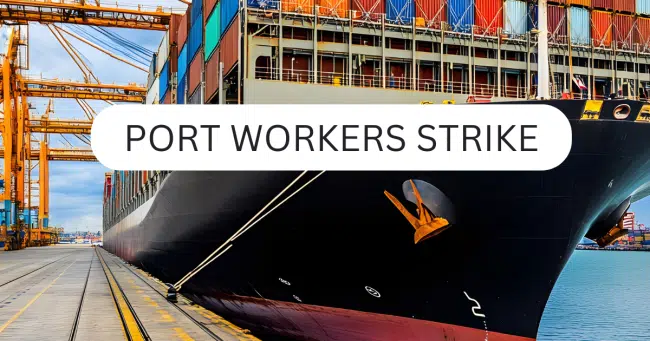
As of October 2, 2024, the East Coast dockworkers’ strike is officially underway, and its ripple effects are already disrupting critical sectors of the U.S. economy. The strike poses significant challenges for businesses reliant on the efficient movement of goods, including those involved in employee relocation and global mobility. At InterLink Relocation Resources, we understand the pressing concerns facing companies that depend on smooth logistics, and we’re here to help clients navigate the complexities of this situation.
The East Coast ports are vital hubs for goods entering the United States, serving manufacturers, retailers, and countless other industries. Supply chains rapidly clog up as workers leave the job and operations halt. Here’s what you need to know:
While previous disruptions like the COVID-19 pandemic were mitigated by government stimulus and lower consumer spending, the current situation offers no such cushion. As companies adjust to new logistics realities, several broader economic factors will come into play:

For businesses and transferees involved in relocation and global mobility, the strike’s impact extends beyond the immediate logistics of moving goods. Household goods shipments, in particular, are subject to the same delays and increased costs as other goods in transit. Here’s how InterLink Relocation Resources is responding:
In times of disruption, preparation, and adaptability are key. At InterLink, we advise clients to take proactive steps to minimize the strike’s impact on their relocation needs:
Even when the strike ends, the effects will linger. Clearing the backlog of shipments and returning to normal will take time, and businesses should brace for continued disruption in the coming weeks. However, mitigating many of the worst effects with careful planning and flexibility is possible.
InterLink Relocation Resources remains committed to helping our clients navigate this challenging period. We’re monitoring the situation closely and working with our logistics partners to provide the best possible solutions for our clients. While we can’t eliminate the disruptions caused by the strike, we can offer guidance and support to minimize the impact on your business and employees.
In these uncertain times, staying informed and flexible will be essential to successfully managing the challenges ahead. Contact us anytime, we are here to help.

Blog Post
Advancing Mobility Conversations at the Tennessee Relocation Council Spring Conference InterLink Relocation Resources was proud to have representation at the Tennessee Relocation Council (TRC) Spring Conference, held April 23, 2026, […]
..... READ POST
Blog Post
InterLink Relocation Resources was pleased to participate in the Lone Star Relocation Summit held in Fort Worth, Texas on April 21–22, 2026—bringing together mobility leaders from across the region for […]
..... READ POST
Blog Post
Cost Implications for Relocation Programs As organizations plan workforce moves for 2026, recent housing and mortgage market indicators point to a shifting—but still constrained—environment. For HR, Mobility, and Finance leaders, […]
..... READ POST
Blog Post
How Project Firewall Could Impact Your Workforce The U.S. Department of Labor (DOL) has launched Project Firewall; a significant new enforcement initiative aimed at strengthening compliance with the H-1B visa […]
..... READ POST
Blog Post
Navigating Economic Shifts As global markets respond to evolving macroeconomic conditions, corporate decision-makers are re-evaluating strategies across every aspect of their business—including talent mobility and relocation. J.P. Morgan’s most recent […]
..... READ POST Search