 Ginger MerrickSeptember 29, 2025
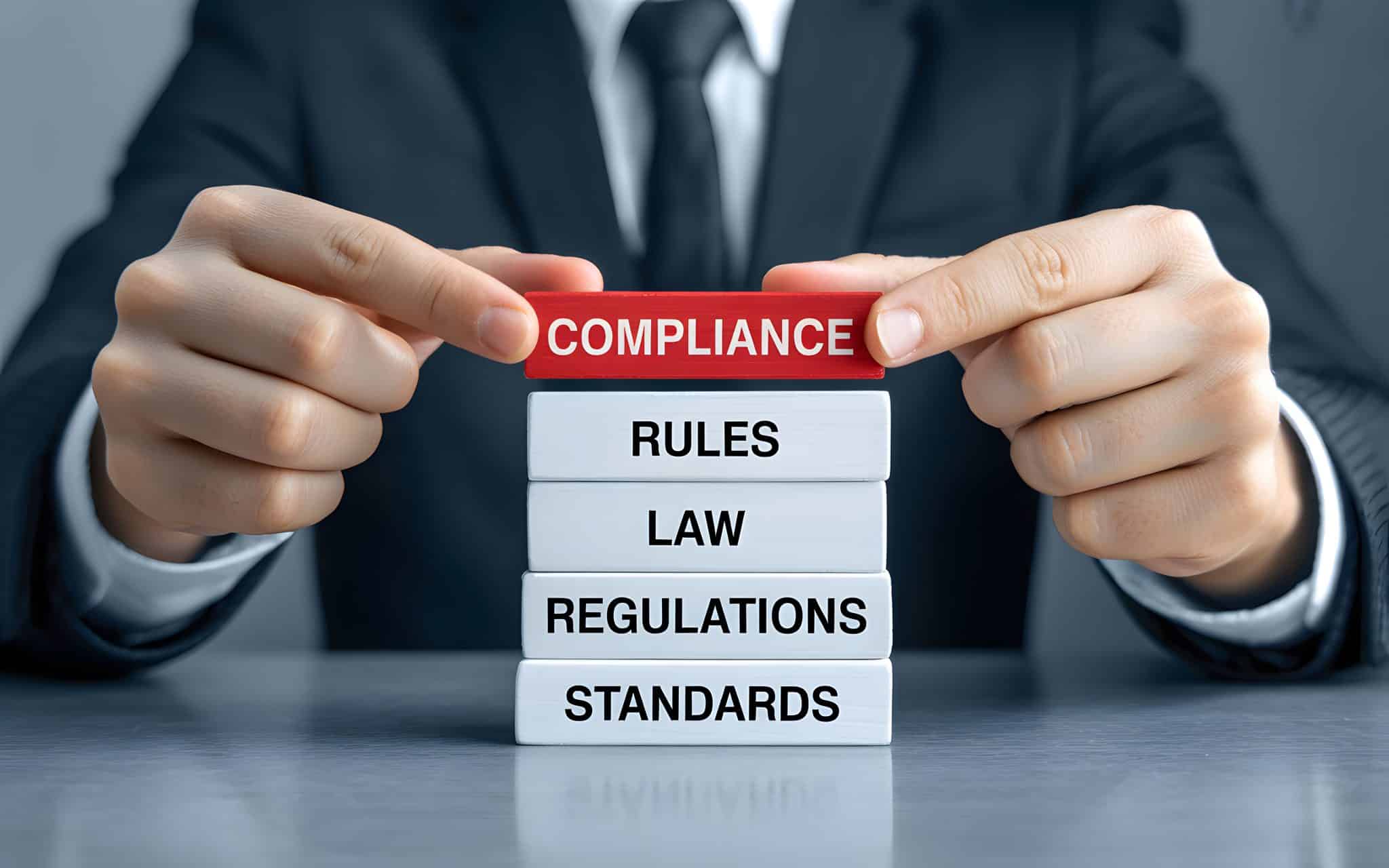
The U.S. Department of Labor (DOL) has launched Project Firewall; a significant new enforcement initiative aimed at strengthening compliance with the H-1B visa program. Alongside a recent executive order, dated September 19, 2025, introducing a $100,000 supplemental fee for certain new H-1B petitions, this marks a clear shift toward heightened oversight and increased employer accountability. While current H-1B visa holders are not expected to be directly impacted by the recent changes, employers should prepare for a stricter compliance environment that could influence workforce planning, global mobility strategies, and the management of foreign national employees.
• Expanded Enforcement Authority: The Secretary of Labor now has authority to personally certify investigations where there is “reasonable cause” to believe non-compliance has occurred — a notable escalation in oversight.
• Greater Scrutiny and Collaboration: Expect more frequent audits and coordinated investigations across federal agencies, including the DOJ, EEOC, and USCIS, focused on wage obligations, job classifications, and potential discriminatory practices.
• Increased Financial and Compliance Burdens: Beyond the new supplemental fee, employers may encounter rising prevailing wage standards and stricter requirements for future H-1B filings.
• Conduct Internal Audits: Review H-1B hiring practices, job classifications, and Labor Condition Applications (LCAs) for accuracy and compliance.
• Maintain Strong Documentation: Ensure that required Public Access Files (PAFs) and all supporting records are accurate, complete, and readily available in case of an audit.
• Educate Stakeholders: Keep HR, talent mobility, and business leaders informed about the heightened enforcement environment and the importance of compliance at every stage of the H-1B process.
For official information and updates, refer to the U.S. Department of Labor’s H-1B program page and related federal resources.
At InterLink, we are committed to keeping clients informed about regulatory changes that could affect their global workforce. While we do not provide legal advice, we strongly encourage employers to consult with their immigration counsel to understand how Project Firewall and recent policy developments may impact their H-1B employee population and future workforce planning.
As global workforce regulations evolve, having an experienced partner is more important than ever. InterLink delivers tailored domestic and international mobility solutions that help organizations stay compliant, reduce risk, save money, and support talent without disruption. Connect with us today to explore how our expertise can strengthen your mobility program and support your business and your employees.

Blog Post
Cost Implications for Relocation Programs As organizations plan workforce moves for 2026, recent housing and mortgage market indicators point to a shifting—but still constrained—environment. For HR, Mobility, and Finance leaders, […]
..... READ POST
Blog Post
Navigating Economic Shifts As global markets respond to evolving macroeconomic conditions, corporate decision-makers are re-evaluating strategies across every aspect of their business—including talent mobility and relocation. J.P. Morgan’s most recent […]
..... READ POST
Blog Post
At InterLink, Our Clients Come First As the landscape shifts—U.S. immigration agencies are now scanning social media, and employers are enforcing stricter online conduct rules—there’s an urgent need for HR, […]
..... READ POST
Blog Post
What It Means for Relocation Programs Each year, the summer months mark the traditional peak of moving season — a window nestled between the end of one school year and […]
..... READ POST
Blog Post
Investing in the Future of Mobility InterLink Relocation Resources was proud to participate as a 2025 Platinum Sponsor at the MARC Global Mobility Spring Conference, held March 27 at the […]
..... READ POST Search